

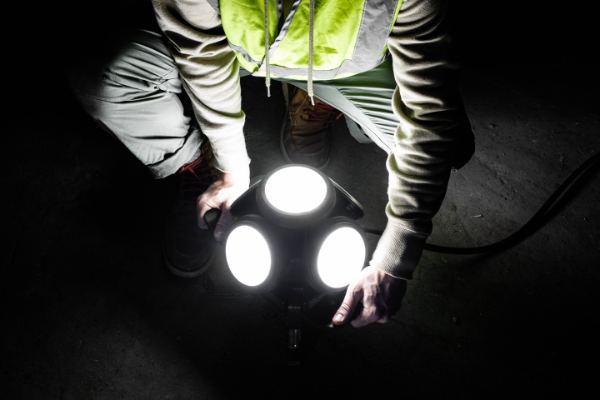
Illuminating Safety in Hazardous Industries with HazRay™ Lighting Solutions
Operating any type of electrical equipment under certain working conditions presents danger, requiring an understanding of potential risks. Safety guidelines also apply to lighting solutions for industries where workers and equipment are exposed to specific hazards. Extremely specific and technical standards and regulations governing hazardous work environments ensure worker safety as well as equipment reliability in these settings.
Lighting Solutions for Hazardous Work Environments
Standards for hazardous areas often require equipment with certain specifications to minimize the chance of ignition, which can lead to a catastrophic explosion. Industries where electrical shock and explosions present danger to workers and equipment must control three key components: ignition sources, oxidizers and fuel. Ignition results from chemical, electrical, mechanical or thermal sources, while fuel encompasses anything that burns. Also known as oxidizing agents or oxidants, oxidizers promote or support combustion by either adding oxygen or causing materials to lose electrons.
Ignition sources might include:
- Chemical reactions that generate heat and potentially ignite flammable materials.
- Electrical sources resulting from apparatus on equipment such as lighting fixtures, motors and switches that can lead to arcing or sparking, along with natural sources like lightning and static electricity.
- Sparks due to friction, impact or other mechanical sources.
- Thermal sources like flames from welding equipment, machine components heated during processes or hot gases from internal combustion engines.
- Oxidizers might include ammonium nitrate, chlorine, dibenzoyl peroxide, halogens, hydrogen peroxide, nitric oxide, potassium chlorate, potassium nitrate and sodium hypochlorite.
Fuel sources might include:
- Liquids like acetone, alcohol, benzene, diesel fuel, ethanol, gasoline, kerosene, methylated spirits and turpentine.
- Gases like acetylene, butane, carbon monoxide, hydrogen, methane and propane.
- Solids like certain plastics, cotton, dust, fabrics, fibers, potassium, sodium and wood.
While equipment made specifically for hazardous industrial areas lowers the chance of electrical shock or explosions, these dangers can’t be completely negated. There are, however, various features in explosion proof lighting equipment that can make them safer in these high-risk environments. For example, LED fi in tamper-proof housings made from plastics resistant to electrostatic discharges can minimize the risk of ignition, while shatter-proof glass reduces the danger even further. Generally, the lower operating temperature of LED fixtures make them safer around combustible materials. Additionally, certification for and listings of compliant lighting products offer a means by which a buyer can ascertain whether a work light will be safer in certain environments.
Classifications for Hazardous Work Environments
In hazardous industries, it’s especially important to keep track of the presence of flammable gases and other airborne substances like dust or fibers, along with their concentration in workspaces. Classifying these areas helps determine what safety measures are taken to minimize risk. According to the National Electrical Code (NEC) in North America, there are three main classes and two divisions that classify hazardous substances that govern what equipment is used in which hazardous environments.
Class I refers specifically to spaces where flammable gases and vapors are present, whereas Class II refers to areas where combustible dust is present and Class III refers to the presence of fibers and other combustible airborne particulates. Division 1 indicates these substances are normally present, while Division 2 indicates their presence only during abnormal conditions. Additionally, Class I and II are divided into four groups that describe specific hazardous materials. Group A includes acetylene, Group B includes hydrogen, Group C ethylene and Group D includes methane.
The exact type of lighting fixture for hazardous locations can vary depending on the type of illumination needed. Configurations can vary, from single LED spotlights to strings of work lights to multi-directional lighting fixtures. For certain applications, handheld work lights are best, while in other cases where both a worker’s hands need to move freely a mounted lighting system would be more suitable.
Rating Lighting for Hazardous Environments
Like other equipment, explosion proof lighting products in these environments need to meet certain criteria. An array of organizations certify and rate lighting equipment according to performance, safety and where it can be safely used.
The most recognizable of these ratings and certifications include:
- CSA: Put out by the Canadian Standards Association and similar to Underwriters Laboratory in the United States, this Canadian standard ensures that electrical and lighting products are safe to use in hazardous work areas.
- IP Rating: A global rating for ingress protection, it deals with preventing dust and liquids from entering lighting fixtures.
- NEMA enclosure ratings: Applying to North America, these rate enclosures that keep out substances like dust, oil and water; for example, NEMA 4X refers to corrosion and water resistance, while NEMA 7 refers to Class I, Division 1 environments.
- UL844: Put out by Underwriters Laboratories, this standard applies to lighting fixtures in the United States, covering fixtures that can withstand dust ignition and explosions, while also keeping out vapors.
These rating systems and certifications help users ensure that a lighting product will work reliably and safely, while also legally complying with equipment used under explosive and other hazardous conditions.
HazRay™ Lighting Solutions
HazRay™ explosion-proof LED lighting products made by KH Industries enable users to comply with regulations and standards governing dangerous work environments. KH Industries’ HazRay™ ideally suits Class I environments for hazardous substances when normally (Division 1) or abnormally (Division 2) present. This includes surpassing industry standards for many industrial workplaces, such as chemical processing facilities and mining operations.
These lighting solutions include a variety of heavy-duty configurations that work well in all sorts of difficult work situations. Providing consistent illumination, the flexibility of the HazRay™ work light also allows workers to provide lighting for larger work areas or tasks that call for attention to detail. The durable explosion-proof construction makes it a go-to solution for some of the toughest work environments.
Benefits of HazRay™ Lighting Solutions in Hazardous Industries
With their lightweight construction, HazRay™ handheld lights weigh less than two pounds (about .9 kg), making them easily portable. They also provide illumination to enhance visibility in low-light areas, delivering as much as 2000 lumens in brightness. The factory sealing and replaceable shielding of explosion-proof HazRay™ LED lights makes them resistant to tampering while also enabling them to endure harsh conditions. Further, with cords that reach up to 100 feet (30.48 m) they can be used for larger worksites.
Industrial applications for HazRay™ lighting solutions include:
- Chemical processing: Reduces the risk of igniting highly volatile substances while providing ample illumination.
- Emergencies: Assists first responders when taking action in emergency situations where hazardous conditions exist.
- Mining: Ensures that workers in underground mining operations can safely illuminate workspaces while minimizing explosion risks.
- Oil and gas: Provides safe lighting for inspecting and maintaining equipment on offshore platforms and in refineries.
- Utilities: Provides lighting in tight spaces like underground utility vaults, natural gas facilities and electrical substations where flammable gases or materials as well as electrical hazards could cause fires and explosions.
Explosion-proof HazRay™ work lights use LED technology due to their energy efficiency, much longer lifespan and lower heat output. This makes them essential for an array of industries where safety compliance is critical.
HazRay™ Lighting Solutions from KH Industries
By integrating advanced LED technology with robust safety features, HazRay™ lighting solutions enhance operational efficiency and safety in industries where explosion-proof equipment is essential. Ideal for use in Class I hazardous locations, this line of explosion-proof work lights ranges from multi-head stringers to handheld lighting, while also offering extraordinary flexibility in its various possible configurations. To learn more about HazRay™ lighting solutions or other products we offer, contact the lighting experts at KH Industries today.